





Uh Oh, Huawei and SMIC: Taiwan Tightens the Screws on AI Chip Tech!
 techwitheldad.com15 June 20253 Mins read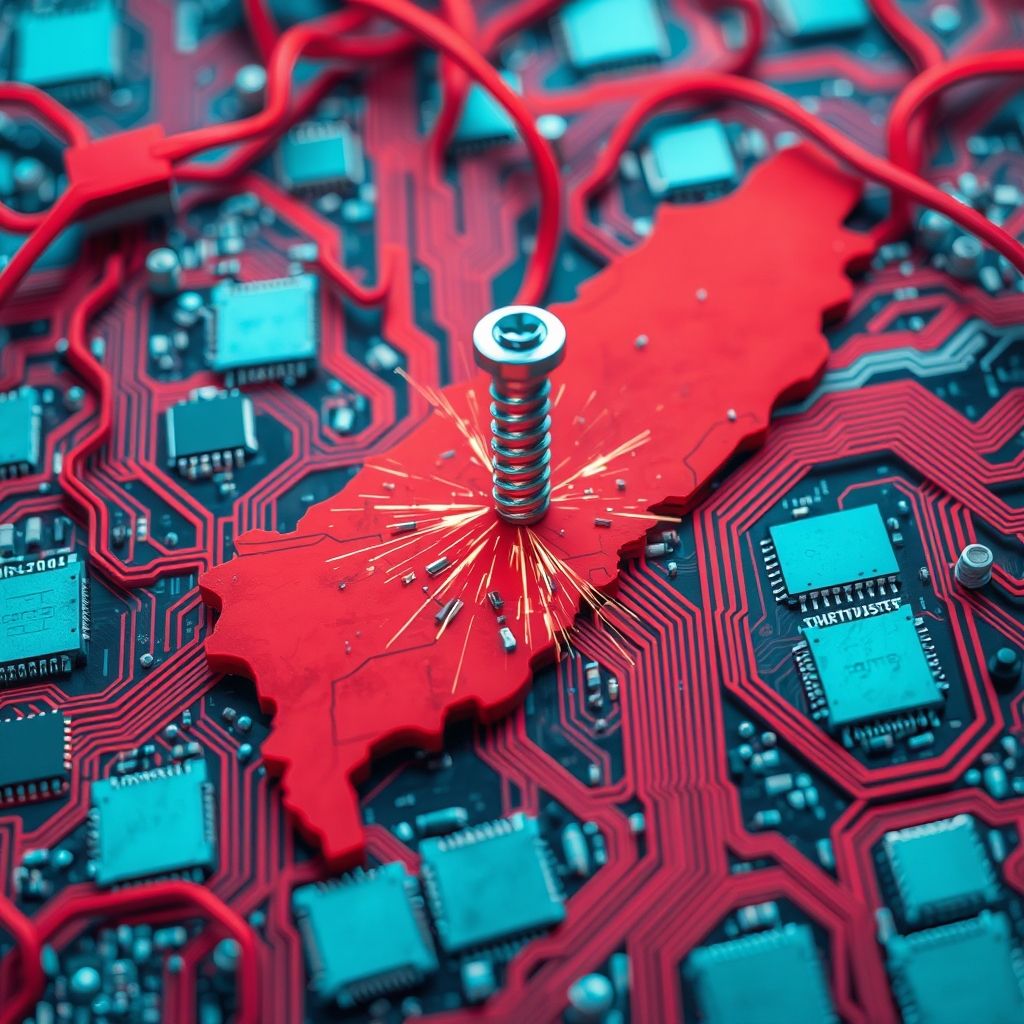
Ever feel like the tech world is one giant chessboard? Just when you think you’ve got a handle on the moves, someone throws in a curveball. That’s exactly what’s happening with Taiwan’s latest export controls targeting Chinese tech giants Huawei and SMIC. I stumbled upon an interesting article on TechCrunch about this situation, and it got me thinking about the potential ripples across the global AI landscape.
Apparently, getting their hands on the resources needed to build those super-powered AI chips just got a whole lot harder for Huawei and SMIC. This isn’t just some minor tweak; it’s a significant strategic play that could have far-reaching consequences.
Why is this important? Well, both Huawei and SMIC are key players in China’s push to dominate the AI sector. These controls act as a throttle, potentially slowing down their progress. This could have a huge impact, especially as the demand for AI continues to skyrocket. According to a report by Gartner, the worldwide AI chip market is projected to reach $86.1 billion by 2024, illustrating the massive financial incentives behind technological dominance.
So, what’s the deal?
Taiwan holds a crucial position in the global semiconductor industry. Taiwan Semiconductor Manufacturing Company (TSMC), for instance, controls over 50% of the global foundry market. This gives Taiwan considerable leverage when it comes to controlling who gets access to advanced chipmaking technology.
These export controls add another layer to the already tense geopolitical situation between China and Taiwan. The move is perceived as a way to protect Taiwan’s own strategic interests and prevent its technology from being used in ways that could undermine its security. It’s a complex dance with economic, political, and security implications all intertwined.
In 2023, the U.S. also implemented similar export controls on advanced computing chips and chip-making equipment to China. This was aimed to restrict China’s ability to develop cutting-edge technologies with potential military applications. Now, with Taiwan following suit, the pressure on Huawei and SMIC intensifies.
5 Key Takeaways:
- AI Development Slowdown: Huawei and SMIC may face delays in developing advanced AI chips.
- Increased Costs: Restricted access could lead to higher production costs as they seek alternative sources.
- Geopolitical Tensions: This move will likely escalate existing tensions between Taiwan and China.
- Global Chip Supply Chains: The controls highlight the fragility and interdependence of global chip supply chains.
- Innovation Incentives: This might push Huawei and SMIC to innovate domestically and seek independence from foreign technologies.
The Big Picture:
This isn’t just a story about two companies. It’s a story about power, technology, and the delicate balance of the global economy. As we continue to navigate this increasingly complex landscape, understanding these moves is essential. Keep an eye on this situation; the plot is definitely thickening!
FAQ: Taiwan’s Export Controls on Huawei and SMIC
- What are export controls? Export controls are government regulations that restrict or prohibit the export of certain goods, technologies, or services to specific countries or entities.
- Why is Taiwan placing export controls on Huawei and SMIC? Taiwan aims to protect its strategic interests, prevent its technology from being used to undermine its security, and align with international efforts to restrict China’s access to advanced technologies.
- What technologies are likely affected by these export controls? Advanced chip manufacturing equipment, high-performance computing chips, and related software and technical know-how are likely affected.
- How will these controls impact Huawei and SMIC? These controls could hinder their ability to develop cutting-edge AI chips, increase their production costs, and force them to seek alternative technology sources.
- What is Taiwan’s role in the global semiconductor industry? Taiwan is a dominant player, particularly in semiconductor manufacturing, with TSMC controlling a significant portion of the global foundry market.
- How do these controls relate to the broader geopolitical context? The controls reflect ongoing tensions between Taiwan and China, as well as efforts by the US and other countries to limit China’s technological advancements.
- What alternatives can Huawei and SMIC pursue? They could invest in domestic technology development, seek partnerships with companies in other countries, or attempt to circumvent the controls through indirect means.
- What are the potential long-term effects of these export controls? The long-term effects could include a slowdown in China’s AI development, increased geopolitical tensions, and a reshaping of global technology supply chains.
- How might other countries react to Taiwan’s export controls? Countries aligned with the US may support the move, while China is likely to condemn it. Other nations may reassess their own technology policies in response.
- Where can I find more information about Taiwan’s export control policies? Official government websites, news publications, and industry reports are good resources.







Related Articles
10 Best Gaming Laptops for 2026
The gaming laptop market in 2026 has reached an exciting new milestone....

Studio555’s Playable App for Interior Design
Okay, picture this: You’re scrolling through interior design inspo online (we’ve all...

Aspora’s $50M Boost: Simplifying Money Transfers for Indians Abroad
Ever wondered why sending money back home can still feel like navigating...

Navy’s New Startup Crush: Is This the Future of Defense Tech?
Forget the image of stuffy boardrooms and endless red tape. The U.S....

Leave a comment