




Uh Oh, Huawei & SMIC: Taiwan Just Turned Up the Heat on AI Chips
 techwitheldad.com15 June 20253 Mins read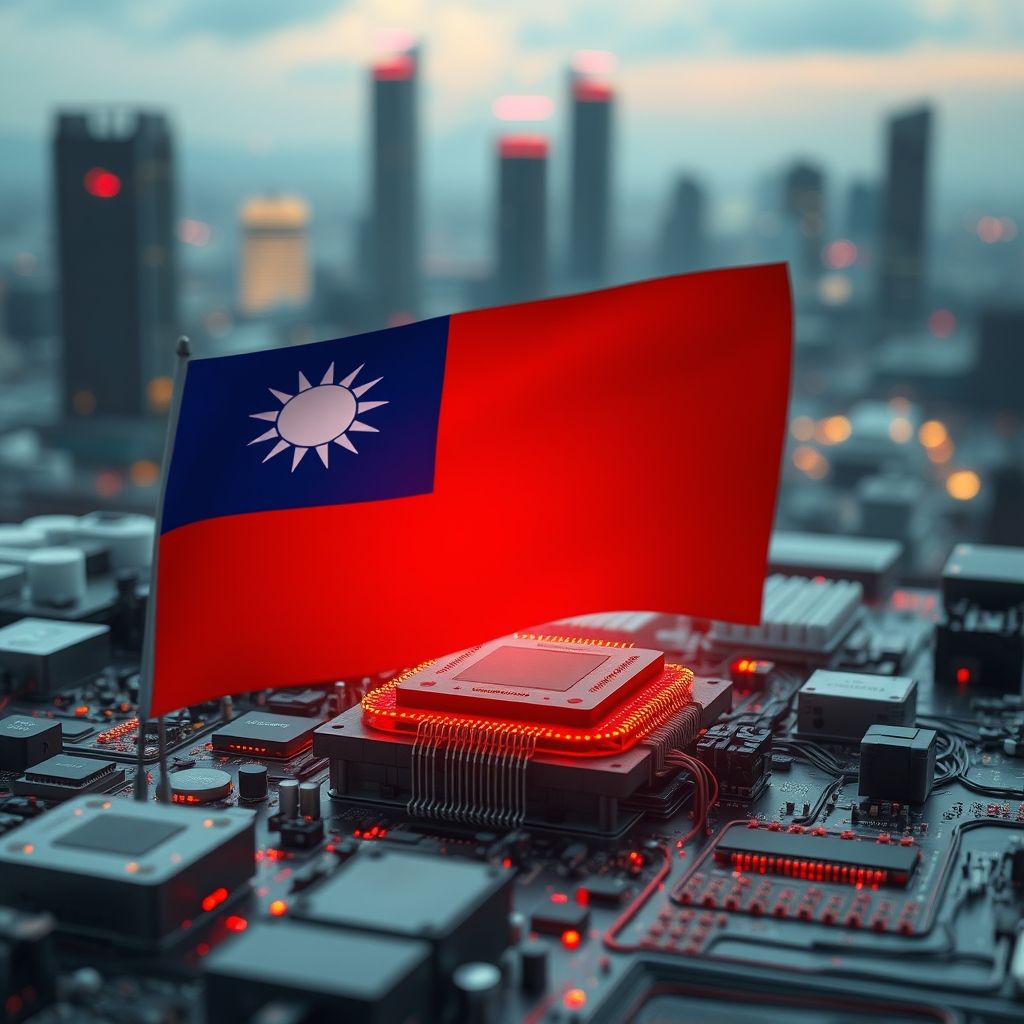
Ever feel like the world is a giant chessboard and everyone’s making their next move? Well, Taiwan just made a pretty significant one that could really shake things up for Chinese tech giants Huawei and SMIC. Word on the street (or rather, the internet) is that Taiwan’s put export controls in place that will make it harder for them to get their hands on the resources they need to build AI chips. I stumbled across a report on TechCrunch yesterday about it. It got me thinking about the ripple effects this could have.
For those who aren’t deep in the weeds on the tech world, Huawei and SMIC are major players in China’s tech scene, particularly when it comes to AI. Huawei has been pushing hard on AI-powered devices, and SMIC is China’s largest chipmaker. But, as the article notes, Taiwan’s controls could throw a wrench into their plans.
Taiwan is a key player in the global semiconductor industry. According to a report by TrendForce, Taiwanese foundries accounted for about 64% of global foundry revenue in Q4 2023, with TSMC alone grabbing a whopping 59%. That makes their decisions have serious weight. These export controls mean that Huawei and SMIC might struggle to get the high-end equipment and materials they need to stay competitive in the AI race.
Why does this matter to us, even if we’re thousands of miles away in Cameroon? Well, a couple of reasons. First, it highlights the interconnectedness of the global economy. When big players like Huawei and SMIC are affected, it can impact the entire supply chain, potentially leading to higher prices or limited availability of certain tech products in our local markets. Second, it shows how geopolitical tensions can directly influence technological development. These kinds of decisions can shift the balance of power in the tech world, and that’s something we need to be aware of.
It also raises important questions about the future of AI development. If access to key resources becomes more restricted, will it slow down innovation? Or will it push companies to find new and creative solutions? Only time will tell.
Five Takeaways to Chew On:
- Taiwan’s move is a big deal: It’s not just a local squabble; it’s a significant geopolitical event with global implications.
- AI chip production is vulnerable: Concentrating production in specific regions makes the industry susceptible to disruptions like this.
- Supply chains are fragile: These controls highlight the importance of diversified and resilient supply chains.
- Innovation could be stifled: Restricted access to resources could potentially slow down the pace of AI development.
- Geopolitics matters: We can’t ignore the role of political tensions in shaping the tech landscape.
It’s a complicated situation, but staying informed is key. What are your thoughts on this? Let me know in the comments!
FAQs: Taiwan’s Export Controls on Huawei & SMIC
1. What exactly are these export controls?
Taiwan is restricting the export of specific technologies and equipment that could be used by Huawei and SMIC to develop advanced AI chips. The specific details are likely complex, but the overall goal is to limit their access to key resources.
2. Why is Taiwan doing this?
While Taiwan hasn’t explicitly stated all their reasons, it’s widely believed that these controls are aimed at aligning with international efforts to prevent the misuse of technology and to address concerns about national security.
3. How will this affect Huawei?
Huawei may face challenges in developing and manufacturing cutting-edge AI chips, potentially impacting their competitiveness in the smartphone, cloud computing, and AI industries.
4. What about SMIC?
SMIC, being China’s largest chipmaker, could find it harder to expand its production capacity and improve its chip manufacturing technology, especially for advanced nodes used in AI.
5. Can Huawei and SMIC find alternative suppliers?
Potentially, but it won’t be easy. Finding alternative suppliers who can provide the same level of technology and equipment may be difficult and could take time and investment.
6. Will this impact consumers in Cameroon?
Indirectly, yes. If Huawei’s and SMIC’s production is affected, it could lead to higher prices or limited availability of certain tech products that rely on their chips.
7. Is this just a temporary measure?
It’s difficult to say. The duration and scope of these export controls will likely depend on ongoing geopolitical developments and international relations.
8. What does this mean for the global chip market?
This could lead to shifts in the global chip market, with other chipmakers potentially benefiting from the restrictions on Huawei and SMIC. It may also incentivize other countries to invest in domestic chip production.
9. Will China retaliate?
It’s possible. China could respond with its own trade restrictions or other measures, potentially escalating tensions further.
10. What can businesses in Cameroon do to prepare?
Businesses should diversify their supply chains to reduce their dependence on any single source and stay informed about ongoing developments in the tech industry and international trade relations. They should also explore potential alternative suppliers and be prepared for potential price increases or supply disruptions.







Related Articles
10 Best Gaming Laptops for 2026
The gaming laptop market in 2026 has reached an exciting new milestone....

Studio555’s Playable App for Interior Design
Okay, picture this: You’re scrolling through interior design inspo online (we’ve all...

Aspora’s $50M Boost: Simplifying Money Transfers for Indians Abroad
Ever wondered why sending money back home can still feel like navigating...

Navy’s New Startup Crush: Is This the Future of Defense Tech?
Forget the image of stuffy boardrooms and endless red tape. The U.S....

Leave a comment