






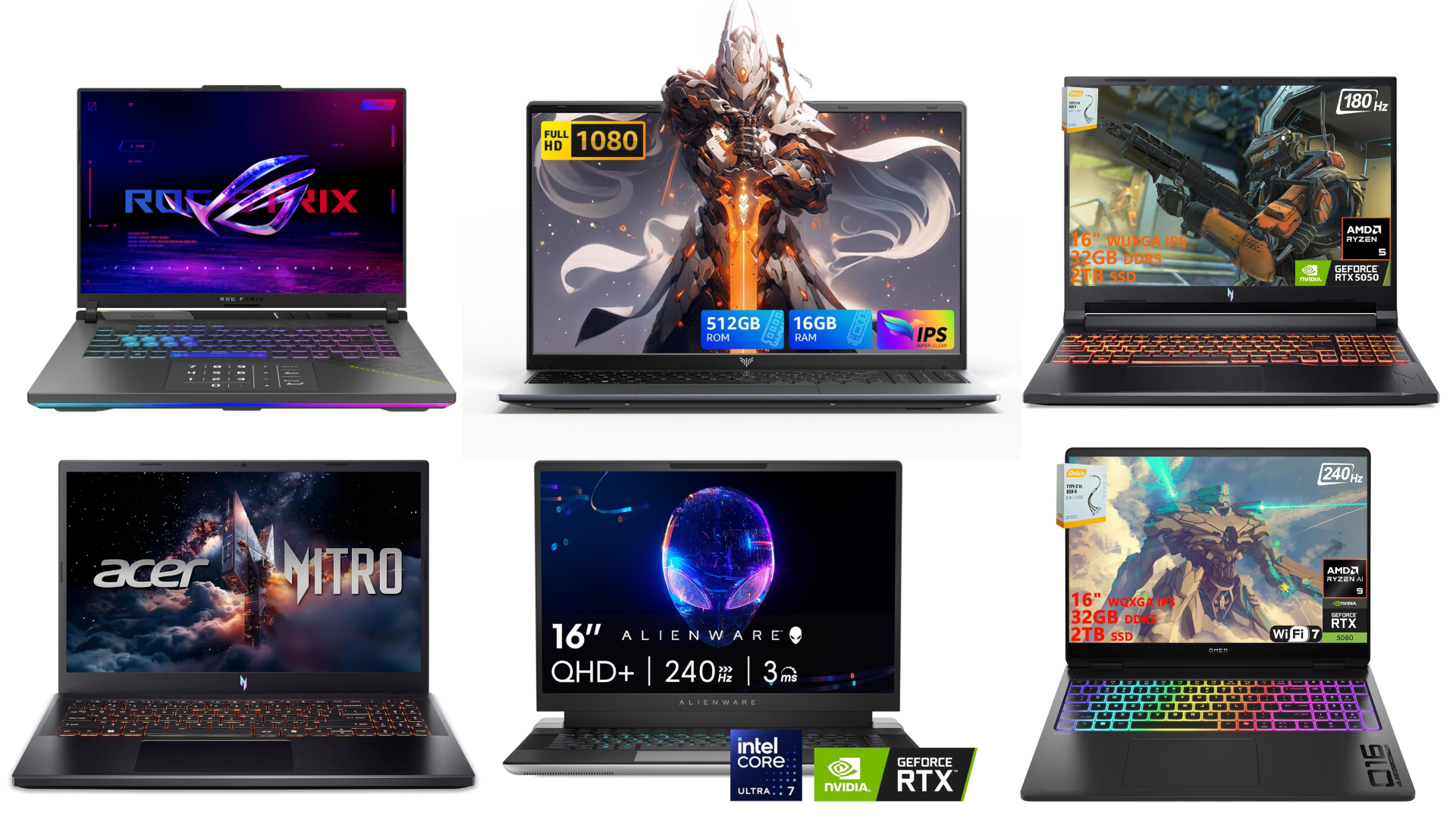
The gaming laptop market in 2026 has reached an exciting new milestone. With NVIDIA’s RTX 50-series GPUs making their debut, AMD’s innovative Ryzen AI processors entering the scene, and manufacturers refining their thermal solutions to unprecedented levels, gamers have more compelling options than ever before. Whether you’re a competitive esports athlete, a content creator, or simply someone who demands desktop-level performance on the go, this year’s lineup offers exceptional value across every price point.
What’s Changed in 2026?
This year marks a significant shift in mobile gaming technology. NVIDIA’s RTX 50-series brings substantial improvements in ray tracing performance and AI-enhanced graphics, while AMD’s new Ryzen AI processors with “Zen 5” architecture are pushing the boundaries of efficiency and multitasking capabilities. Many laptops now carry the Copilot+ PC designation, integrating advanced AI features directly into the hardware.
Display technology has matured beautifully, with high refresh rate panels becoming standard even in budget models. We’re seeing 240Hz displays on mid-range laptops and resolution improvements across the board, with 2.5K panels replacing traditional 1080p in many premium offerings. Battery technology has also improved, with some manufacturers implementing 90Wh batteries that actually deliver meaningful gaming time away from the wall.
Perhaps most impressively, thermal management has evolved dramatically. Liquid metal thermal compounds, once reserved for flagship models, are trickling down to more affordable options. Vapor chambers and multi-fan cooling systems are becoming commonplace, allowing these powerful machines to maintain peak performance during extended sessions without sounding like jet engines.
Top Gaming Laptops for 2026
Table of Contents
Best Overall: ASUS ROG Strix G16 (2025/2026 Edition) — $1,999.00

The ASUS ROG Strix G16 represents the pinnacle of balanced gaming laptop design. This machine doesn’t just perform exceptionally — it does so while maintaining composure under pressure. The combination of Intel’s Core Ultra 9 275HX processor and NVIDIA’s RTX 5080 GPU delivers performance that rivals many desktop setups, handling everything from competitive shooters to ray-traced AAA titles with ease.
The 16-inch Nebula Display is a standout feature, offering 240Hz refresh rate at 2.5K resolution with professional-grade color accuracy. This makes the laptop equally capable for content creation work as it is for gaming. The display’s color calibration is factory-tuned, saving you hours of adjustment and ensuring your games look exactly as developers intended.
Where the ROG Strix truly shines is thermal management. ASUS has implemented liquid metal thermal compound on the CPU and GPU, paired with a sophisticated triple-fan cooling system. During testing scenarios, the laptop maintains impressive clock speeds even after hours of intensive gaming, and the fan noise remains surprisingly moderate given the performance on tap.
The build quality feels premium throughout, with a sturdy chassis that doesn’t flex under pressure and a keyboard that offers satisfying travel for both gaming and productivity work. At $1,999, it sits firmly in premium territory, but the combination of cutting-edge performance, excellent display technology, and superior cooling justifies the investment for serious gamers.
Best Value Champion: Acer Nitro V 15 — $1,199.00
The Acer Nitro V 15 proves that you don’t need to spend two thousand dollars to get flagship-level processing power. Equipped with Intel’s Core i9–13900H processor, this laptop brings high-end CPU performance to a remarkably accessible price point. Paired with an RTX 4060 GPU and 32GB of DDR5 RAM, it handles modern games at high settings while providing excellent multitasking capabilities for streaming or content creation.
The 15.6-inch FHD display runs at 165Hz, offering smooth gameplay in fast-paced titles without the GPU strain of higher resolutions. This resolution choice is actually strategic, allowing the RTX 4060 to push higher frame rates consistently. The display quality is solid for the price, with good viewing angles and adequate brightness for indoor gaming.
Acer has equipped this model with a generous 1TB SSD, eliminating the immediate need for storage upgrades that plague many budget gaming laptops. The 32GB of RAM is particularly noteworthy at this price point, providing headroom for demanding games and background applications without performance degradation.
Build quality is respectable, with a mostly plastic construction that feels sturdy rather than cheap. The cooling system keeps temperatures reasonable, though the fans do become audible under heavy load. For $1,199, the Nitro V 15 offers an exceptional balance of processing power, memory, and storage that’s hard to match elsewhere.
Premium Powerhouse: HP Omen Max 16 (i9 Edition) — $2,099.00
For users who refuse to compromise on performance, the HP Omen max 16 delivers desktop-replacement power in a mobile form factor. The Intel Core i9–14900HX processor is among the fastest mobile CPUs available, and HP has paired it with an NVIDIA RTX 4080 running at an impressive 145W TGP, ensuring you’re getting nearly the full potential of the graphics card.
The 16.1-inch QHD display at 240Hz strikes an excellent balance between visual fidelity and competitive performance. The higher resolution makes single-player games look stunning while the 240Hz refresh rate ensures you’re not handicapped in fast-paced multiplayer titles. The panel quality is excellent, with vibrant colors and deep blacks.
HP’s OMEN Tempest Cooling system is engineered specifically to handle the thermal output of the high-end i9 processor. The multi-fan setup with large heat pipes prevents thermal throttling during extended rendering sessions or marathon gaming periods. The laptop does get warm under sustained load, but performance remains consistent.
With 32GB of DDR5 RAM and a massive 2TB SSD, this laptop is equipped for users with large game libraries and demanding workflows. The generous storage capacity means you can install your entire gaming catalog without constantly juggling files. At $2,099, it’s a significant investment, but one that delivers the kind of performance that won’t feel outdated for years to come.
Best AI-Ready Gaming Laptop: Acer Nitro V 16 — $1,524.99
The Acer Nitro V 16 represents the new wave of AI-integrated gaming laptops. Built on AMD’s groundbreaking Ryzen 7 260 processor with “Zen 5” architecture and designated as a Copilot+ PC, this laptop is designed not just for today’s games but for tomorrow’s AI-enhanced experiences. The neural processing capabilities built into the chip enable features like intelligent performance scaling and advanced background noise cancellation during streaming.
The NVIDIA GeForce RTX 5060 brings the latest RTX 50-series technology to a mid-range price point, offering improved ray tracing performance and DLSS capabilities compared to previous generations. Paired with 32GB of DDR5 RAM, the system has plenty of headroom for multitasking between gaming, streaming, and content creation applications.
The 16-inch WUXGA display runs at 180Hz, providing a smooth gaming experience with less GPU demand than higher-resolution panels. This allows the RTX 5060 to maintain high frame rates in demanding titles. The larger 16-inch format provides more screen real estate for productivity work when you’re not gaming.
Storage is generous at 1TB Gen 4 SSD, offering fast load times and ample space for your game library. The new Zen 5 architecture delivers exceptional multitasking performance, making this laptop ideal for users who game, stream, and create content simultaneously. At $1,524.99, it offers a compelling blend of current performance and future-ready AI capabilities.
Best Portable Gaming Laptop: ASUS TUF Gaming A14 (2026 Edition) — $1,299.99
Gaming laptops have historically been bulky affairs, but the ASUS TUF Gaming A14 challenges that assumption. Weighing just 1.46kg (approximately 3.2 pounds), this 14-inch laptop is genuinely portable while still packing serious gaming credentials. The compact form factor doesn’t come at the expense of durability either — it’s built to MIL-STD-810H military standards, meaning it can withstand the rigors of frequent travel.
Powered by AMD’s Ryzen AI 9 465 processor and NVIDIA RTX 5060 GPU, it delivers impressive performance in a remarkably small package. The 14-inch 2.5K display running at 165Hz offers sharp visuals and smooth gameplay, making it suitable for both competitive gaming and immersive single-player experiences. The higher resolution on a smaller screen results in excellent pixel density.
The 16GB of LPDDR5X RAM is soldered, which means it’s not upgradeable, but the speed advantages of LPDDR5X provide tangible benefits in both gaming and productivity tasks. The 1TB SSD ensures you have adequate storage despite the compact chassis.
Battery life is respectable for a gaming laptop, making this a viable option for students or professionals who need one device for work and play. The TUF branding indicates rugged construction, and the laptop feels solid despite its light weight. At $1,299.99, it’s an excellent choice for anyone who prioritizes portability without wanting to sacrifice gaming performance entirely.
Best Desktop Replacement: Thunderobot Storm 17.3″ — $1,919.00
Some gamers want the largest possible screen and aren’t concerned about portability. For those users, the Thunderobot Storm delivers a massive 17.3-inch QHD display at 165Hz. The expansive screen provides an immersive gaming experience and makes multitasking significantly easier, allowing you to have multiple windows visible simultaneously.
Under the hood sits an Intel Core i7–13620H processor paired with NVIDIA’s latest RTX 5070 GPU, a powerful combination that handles modern games at high settings with ease. The QHD resolution (2560×1440) is well-suited to the RTX 5070’s capabilities, allowing for high detail settings without compromising frame rates.
The 17.3-inch chassis provides excellent cooling potential, with more surface area for heat dissipation than smaller laptops. The larger form factor also accommodates a more spacious keyboard with a proper number pad, beneficial for productivity work and certain game genres.
Storage starts at 512GB, which might feel limiting given the large storage requirements of modern games, but the system is upgradeable. The 16GB of RAM is adequate for gaming, though power users might want to consider upgrading to 32GB for heavy multitasking scenarios.
At $1,919.00, the Thunderobot Storm isn’t cheap, but the combination of a massive high-refresh QHD display and RTX 5070 performance makes it compelling for users who want a genuine desktop replacement that happens to be movable.
Best Innovation: Alienware m16 R2 — $1,900
Alienware has reimagined the m16 for 2026, shifting from the brand’s traditionally aggressive gaming aesthetic to a more understated “stealth” design. This redesign prioritizes portability without sacrificing the performance that made Alienware famous. The result is a laptop that looks equally appropriate in a boardroom or a gaming setup.
The Intel Core Ultra 9 185H processor represents Intel’s latest efficiency-focused architecture, paired with an RTX 4060 GPU that’s perfect for 1080p and 1440p gaming. The 16-inch 2.5K display running at 240Hz is exceptional, offering both the visual clarity for detailed work and the responsiveness competitive gamers demand.
A standout feature is the massive 90Wh battery, one of the largest you’ll find in a gaming laptop. Combined with the efficiency improvements in the Core Ultra architecture, this enables legitimate all-day productivity work away from a charger. Gaming on battery is possible for 2–3 hours, a remarkable feat for a machine with these specifications.
Wi-Fi 7 support future-proofs the laptop for next-generation wireless networks, offering reduced latency and improved bandwidth for online gaming. The 16GB of DDR5 RAM and 1TB SSD round out a well-balanced specification sheet.
At $1,729.99, the Alienware m16 R2 occupies an interesting middle ground between value and premium options. The combination of Alienware’s refined build quality, the substantial battery, and future-ready connectivity makes it particularly appealing for users who need versatility.
Best Budget Option: MALLRACE 15.6″ Gaming Laptop — $1499.99
Not everyone has two thousand dollars to spend on a gaming laptop, and the MALLRACE 15.6″ proves you can still enjoy modern gaming on a tighter budget. Using AMD’s Ryzen 7 5000 series processors, this laptop leverages previous-generation technology that’s still entirely capable for gaming at moderate settings.
The 16GB of DDR4 RAM is the real star here, providing enough memory headroom to run modern games comfortably. Many budget laptops skimp on RAM, forcing users to upgrade immediately, but this configuration is ready to go out of the box. The integrated Radeon graphics won’t match dedicated GPUs, but they’re capable of running popular esports titles and less demanding games at playable frame rates.
The 512GB SSD provides adequate storage for your operating system and a selection of games, though serious gamers will likely want to supplement with external storage or upgrade the drive eventually. The 15.6-inch IPS display offers decent viewing angles and color reproduction for the price.
Build quality is functional rather than premium, with a plastic chassis that gets the job done without feeling luxurious. Cooling is adequate for the less demanding components, though the laptop does warm up during extended gaming sessions.
At $1499.99, this laptop is aimed squarely at budget-conscious gamers, students, or anyone looking for a secondary gaming device. It won’t run the latest AAA titles at ultra settings, but it provides a legitimate entry point into PC gaming without requiring significant financial commitment.
Best High-End Alternative: NIMO 17.3 Gaming-Laptop Ryzen 9 — $879.00
The NIMO 17.3″ is a high-value desktop replacement that balances elite processing power with a budget-friendly price of $879.99. It features the powerful AMD Ryzen 9 8945HS processor, which reaches speeds up to 5.2GHz to rival high-end Intel i9 chips, making it exceptional for heavy multitasking, video editing, and AI-driven tasks via Microsoft Copilot. While it uses integrated Radeon 780M graphics instead of a bulky dedicated card, it remains highly capable of running popular eSports titles and casual games smoothly on its massive 17.3-inch Full HD display.
Designed for modern portability and security, the laptop includes a 100W USB-C fast charger that can power the device to 50% in just an hour, along with a secure fingerprint reader and a physical webcam privacy switch. It is a “future-ready” machine thanks to its USB-C 4.0 port, which supports external GPU docks if you ever want to upgrade to hardcore gaming performance later. With 16GB of high-speed DDR5 RAM and a backlit keyboard, it serves as an ideal hybrid for students or professionals who need a large, powerful workstation without the typical $2,000 price tag.
Best Upgrade Potential: KAIGERR RX16 Gaming Laptop — $1,399.99
The KAIGERR TX16 is a high-grade 16-inch laptop engineered for reliability and efficient multitasking. It is powered by the AMD Ryzen 7 5000 Series processor with 8 cores and 16 threads, reaching speeds up to 4.5GHz. While it utilizes integrated Radeon RX Vega 8 Graphics, it is designed to provide a smooth, lag-free experience for casual gaming, high-definition streaming, and academic work. The 16.0-inch display offers a wide-viewing angle and crisp visuals, making it a versatile choice for users who need a large workspace on the go.
This model stands out for its longevity and upgradeability, featuring a dual-fan cooling system with copper heat pipes to prevent thermal throttling during long sessions. It comes equipped with 16GB of RAM and a 512GB NVMe SSD, both of which can be expanded to 64GB and 4TB respectively, ensuring the machine grows with your needs. With modern WiFi 6 connectivity, a backlit keyboard with a numeric keypad, and a lightweight “High-grade Grey” chassis, the TX16 balances a professional aesthetic with the performance required for a 2026 workflow.
Key Considerations When Shopping
Understanding GPU Performance Tiers
The graphics card is the heart of any gaming laptop. In 2026, you’ll primarily encounter NVIDIA’s RTX 40-series and the newer RTX 50-series. The RTX 5060 and 5070 represent the current generation’s mid-range, offering excellent performance for 1080p and 1440p gaming with ray tracing capabilities. The RTX 4060 and 4080 from the previous generation remain powerful options, often available at compelling price points.
For competitive gaming at 1080p, an RTX 4060 or RTX 5060 provides more than adequate performance with high frame rates. If you’re gaming at 1440p or want to maximize ray tracing quality, look toward the RTX 4080 or RTX 5070. Budget-conscious gamers can still find value in AMD’s integrated Radeon graphics for less demanding titles.
Display Decisions: Resolution vs. Refresh Rate
The eternal debate continues: should you prioritize resolution or refresh rate? For competitive gaming in titles like Counter-Strike, Valorant, or League of Legends, higher refresh rates (165Hz or above) matter more than resolution. The smoother motion and reduced input lag provide tangible competitive advantages.
For single-player story-driven games or content creation, higher resolution becomes more valuable. A 2.5K or QHD panel offers noticeably sharper text and more detailed game worlds compared to standard 1080p. The sweet spot for many users is a 2.5K display at 165Hz or 240Hz, balancing visual quality with performance.
Consider panel technology as well. IPS panels offer excellent viewing angles and color accuracy, making them ideal for content creation alongside gaming. Screen size also matters — 14-inch laptops are more portable, while 16 to 17-inch displays provide more immersive gaming experiences and better multitasking capabilities.
Memory and Storage Requirements
In 2026, 16GB of RAM is the minimum for comfortable gaming, with 32GB becoming increasingly common even in mid-range models. The extra memory headroom prevents stuttering when you have multiple applications running alongside your games, particularly important for streamers or content creators.
Storage needs vary dramatically by user. If you play a few titles at a time, 512GB is manageable, though you’ll need to be selective. For users who like having their entire library installed, 1TB or more is essential. Modern games can easily exceed 100GB each, with some flagship titles approaching 200GB.
DDR5 RAM is now standard across most gaming laptops, offering bandwidth improvements over DDR4. The real-world gaming performance difference is modest, but DDR5 provides benefits in productivity tasks and future-proofs your purchase.
Thermal Management Matters
Gaming laptops generate substantial heat, and thermal management directly impacts performance sustainability and component longevity. Look for laptops with advanced cooling solutions like liquid metal thermal compounds, vapor chambers, and multi-fan systems.
Pay attention to reviews that discuss thermal performance under sustained load. Some laptops perform exceptionally in short bursts but thermal throttle during extended gaming sessions, reducing performance when you need it most. Premium models often maintain higher clock speeds longer due to superior cooling.
Fan noise is another consideration. If you’ll be gaming in shared spaces or prefer a quieter experience, check reviews for noise level measurements. Some manufacturers offer performance profiles that let you balance noise against performance.
Build Quality and Portability Trade-offs
Gaming laptops exist on a spectrum from ultra-portable to desktop replacement. Lightweight models under 4 pounds are genuinely portable but often sacrifice battery capacity, cooling efficiency, or upgrade potential. Desktop replacements with 17-inch screens and robust cooling can weigh 8 pounds or more.
Consider your actual usage patterns honestly. If the laptop will mostly sit on a desk, prioritize cooling and performance over weight. If you’ll be carrying it daily, weight and battery life become critical factors.
Build materials matter too. Aluminum chassis feel premium, dissipate heat effectively, and protect components better than plastic. However, they add cost and weight. Military-grade durability certifications indicate a laptop can withstand the rigors of frequent transport.
Port Selection and Connectivity
Don’t overlook connectivity when choosing a gaming laptop. Multiple USB-A ports remain useful for gaming peripherals. USB-C with Thunderbolt support enables high-speed external storage and future expansion through docking stations. HDMI 2.1 is essential for connecting to high-refresh external monitors or TVs.
Wi-Fi 6E is now standard, with Wi-Fi 7 beginning to appear in premium models. The improved wireless performance reduces latency in online gaming and enables faster file transfers. Ethernet ports are increasingly rare but valuable for competitive gaming where wired connections provide more consistent latency.
SD card readers benefit content creators, while audio jacks matter for users with high-quality headphones. Consider which ports you’ll actually use and ensure the laptop you choose has them positioned conveniently.
Finding the Right Laptop for Your Needs
For Competitive Gamers
If you’re primarily playing fast-paced competitive titles, prioritize refresh rate over resolution and ensure you have a capable GPU that can actually push high frame rates. The ASUS TUF Gaming A14 or Acer Nitro V 15 both offer high-refresh displays at reasonable prices. Keep the laptop light if you attend LAN events.
For Content Creators Who Game
Look for laptops with color-accurate displays, ample RAM (32GB), and powerful CPUs for rendering. The HP Omen 16 with its i9 processor and 32GB RAM or the ASUS ROG Strix G16 with its Nebula Display are excellent choices that balance creative work with gaming performance.
For Students and Budget-Conscious Buyers
The Acer Nitro V 15 at $1,199 offers exceptional value with its i9 processor and 32GB RAM. For tighter budgets, the MALLRACE 15.6″ provides a functional gaming experience for under $900. Both offer the versatility needed for schoolwork alongside gaming.
For Power Users Who Want Everything
If budget allows, the ASUS ROG Strix G16 or HP Omen 16 deliver flagship performance with premium displays and advanced cooling. These laptops won’t need replacing for years and can handle anything you throw at them.
Final Thoughts
The gaming laptop market in 2026 is remarkably competitive, with manufacturers pushing innovation while driving prices down across all segments. You can get a genuinely capable gaming laptop for under $1,000 or invest in desktop-replacement performance for around $2,000.
The key is understanding your priorities and being honest about your usage patterns. A lighter laptop with slightly less performance might be the better choice if you value portability. Conversely, that desktop replacement with superior cooling will serve you better if the laptop rarely leaves your desk.
Take time to read detailed reviews beyond specifications. Real-world thermal performance, build quality, and display calibration vary significantly between models with similar specs on paper. If possible, try to see laptops in person before purchasing — display quality and keyboard feel are subjective factors that matter for daily use.
Whatever you choose, you’re entering PC gaming at an exciting time. Today’s laptops offer performance that seemed impossible just a few years ago, and even mid-range options provide excellent experiences across nearly all modern titles. Research thoroughly, choose based on your specific needs rather than specifications alone, and you’ll find a laptop that serves you well for years to come.
Happy gaming, and may your frame rates stay high and your temperatures low.






Related Articles

Liquid Glass & Augmented Dreams: Is Apple Teasing its AR Glasses?
Ever get that feeling when a company does something new, and you...

Ear to the Ground: Google Might Soon *Speak* Your Search Results!
Ever felt like you just don’t have time to read through all...

Waymo’s Price Tag: Is Self-Driving Worth the Cost?
Waymo’s Price Tag: Is Self-Driving Worth the Cost? Ever wondered what it...



Google’s Giving AI Overviews a Voice
Google is experimenting with audio AI Overviews in Search Labs, providing natural-sounding...

Leave a comment